
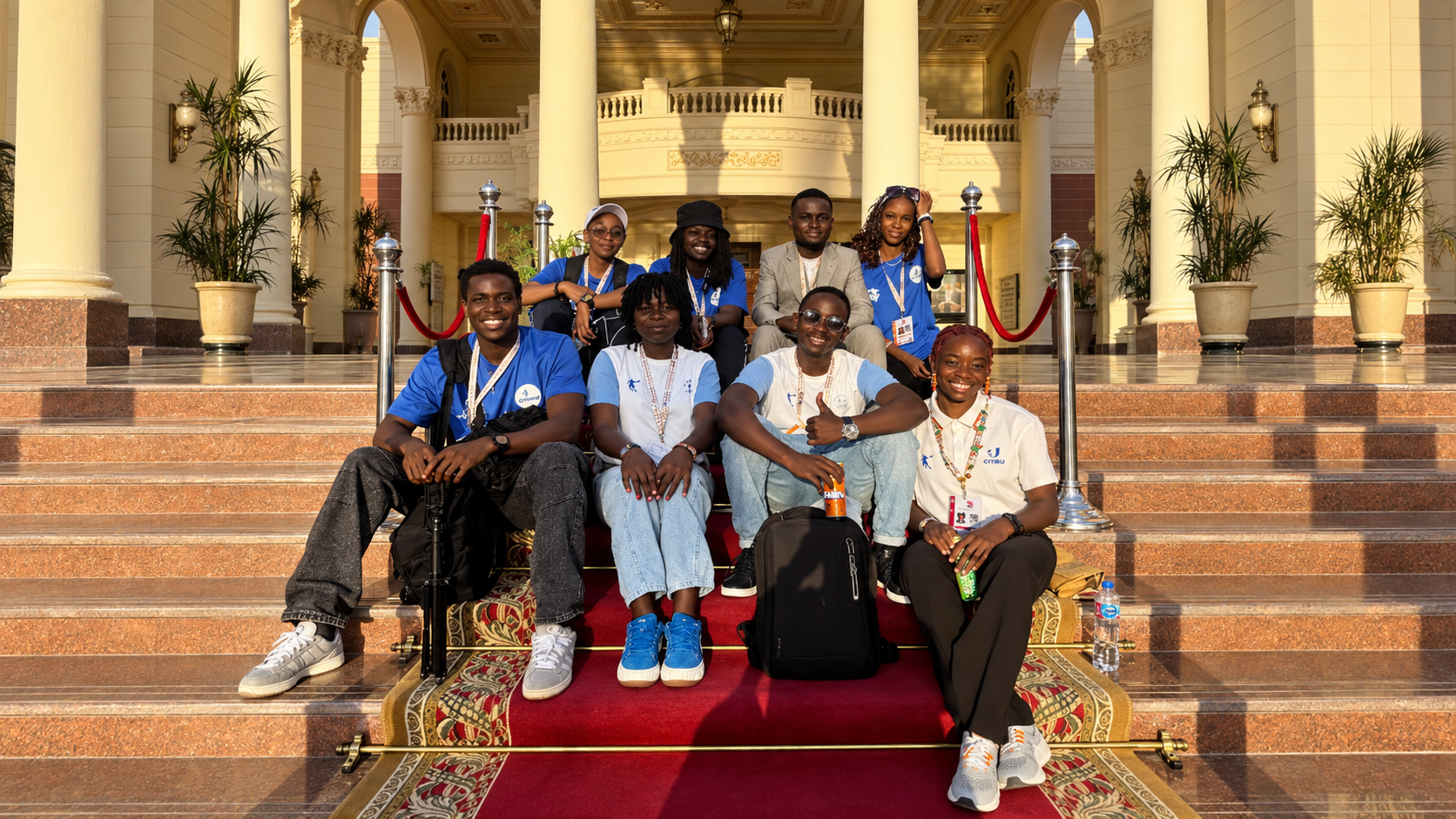
As competition unfolded at the 12th All Africa University Games, members of the third FASU International Volunteering, Youth Leadership Training and Mentorship cohort took time away from the venues to discover another side of Egypt.
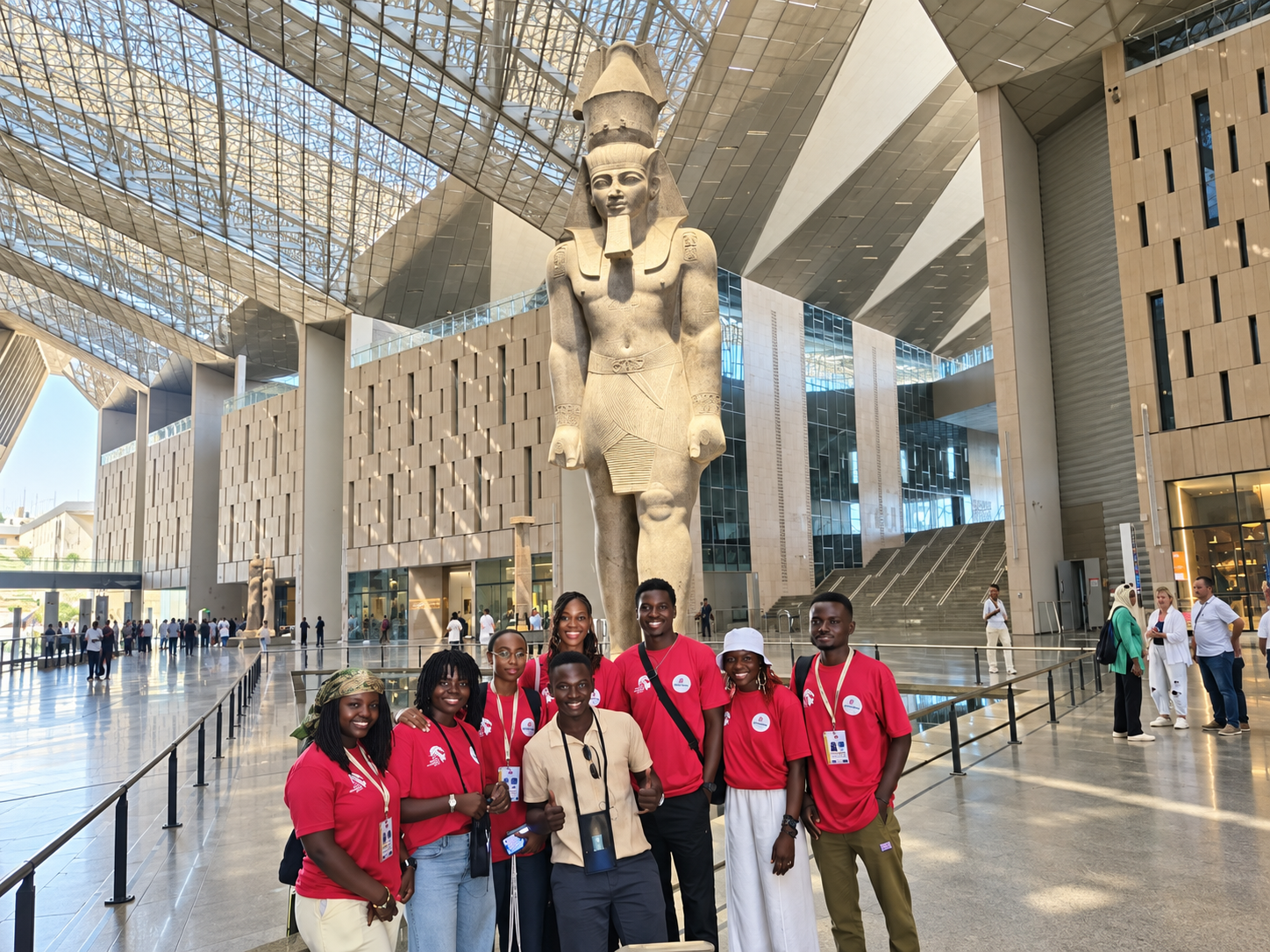
The cultural programme, organised by the Federation of Africa University Sports (FASU), included visits to the Grand Egyptian Museum and the Pyramids of Giza. It offered participants an opportunity to explore Egypt’s heritage, connect across borders and deepen their understanding of the continent they had come together to serve through university sport.
For many of the young leaders arriving in Cairo, the expectations were straightforward: volunteering, leadership training, mentorship and practical experience supporting a major continental sporting event. The cultural programme added another dimension, transforming landmarks they had previously encountered only in books, photographs, television programmes and childhood stories into experiences they could share in person.
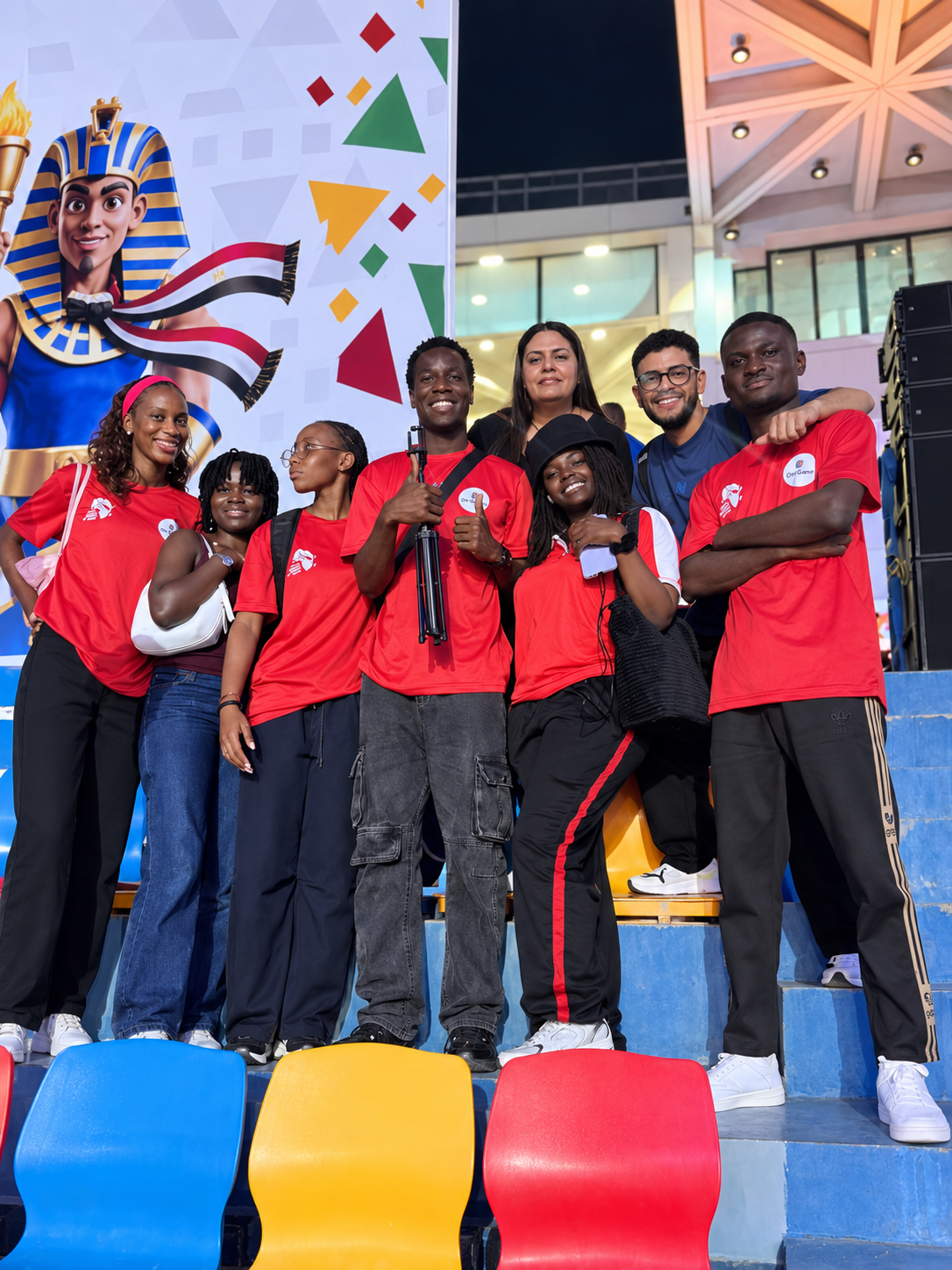
For Lois Agbaje of Lagos, Nigeria; Bryan Amanya of Kampala, Uganda; and Margaret Muthoni Gicheru of Nairobi, Kenya, the cultural day became one of the defining moments of their Cairo journey. Their individual experiences differed, but together they reflected what the programme meant for the wider cohort: it was more than a sightseeing excursion. It became another opportunity to learn, connect and see Africa from a broader perspective.
MORE THAN THEY EXPECTED
Agbaje had not expected cultural activities to feature prominently in the programme.
“I was just expecting it to be strictly about the Games, mentorship and the leadership programme—and nothing more about the culture,” she said.
That expectation changed as the cohort was introduced to Egyptian life beyond the competition venues. According to Agbaje, the decision to immerse participants in the host country’s culture made the programme feel more welcoming.
“Bringing us into their culture and showing us around was a more accommodating way of making us feel welcome in their space,” she explained.
The experience also allowed the participants to learn more about ancient Egyptian civilisation.
“We learned a lot apart from the Games. We were able to dig deeper into ancient Egyptian culture.”
Gicheru approached the programme with similar curiosity. Before travelling, she had explored whether there would be opportunities for cultural exchange and was particularly interested in experiencing the cultural activities surrounding the Games.
The Grand Egyptian Museum, however, presented history on a scale she had not anticipated.
“In a good way, it was very overstimulating,” she said, describing the volume of history and information surrounding her.
At times, she simply stopped to absorb the experience. The moment reflected a recurring feeling among the cohort: being physically present created a connection that photographs, books and screens could not fully reproduce.
WHEN THE PYRAMIDS BECAME REAL
The Pyramids of Giza had occupied a place in Amanya’s imagination since childhood. He had grown up hearing stories about them and seeing them portrayed in cartoons, books and other media. Over time, that familiarity developed into a determination to see them for himself.
“I didn’t even sleep that day because I was waiting to see them,” he recalled.
Beyond their scale, he was fascinated by how the structures had been built and how they had endured for thousands of years.
“To have built these structures—and for them still to be here—shows that the ancient Egyptians possessed skills, knowledge and ways of thinking that were far ahead of their time,” he said.
Standing before the pyramids provided an experience that no photograph could recreate.
Gicheru shared a similar reaction.
“You wouldn’t think they were that big when you looked at them online, in books or heard people talk about them. But when you are there in person, you are just like, ‘Whoa.’”
For the cohort, the landmarks became more than tourist attractions. They became shared reference points—places where young people from different African countries could experience history together.
There were lighter moments as well. One of Amanya’s most memorable experiences was riding a horse at the pyramids for the first time. As members of the group took photographs, recorded videos and laughed together, the informal moments became as significant as the historical importance of their surroundings.
DISCOVERING EGYPT THROUGH ITS PEOPLE
The cultural experience also challenged some of the assumptions participants had held before travelling.
Agbaje was particularly impressed by the hospitality she encountered and by the willingness of people to help, even when language differences made communication difficult. Some of the things she had previously heard about Egyptians did not reflect what she experienced in Cairo.
Amanya was similarly surprised by how welcoming people were.
For both participants, direct interaction provided a more personal understanding of Egypt—one shaped by lived experience rather than assumptions.
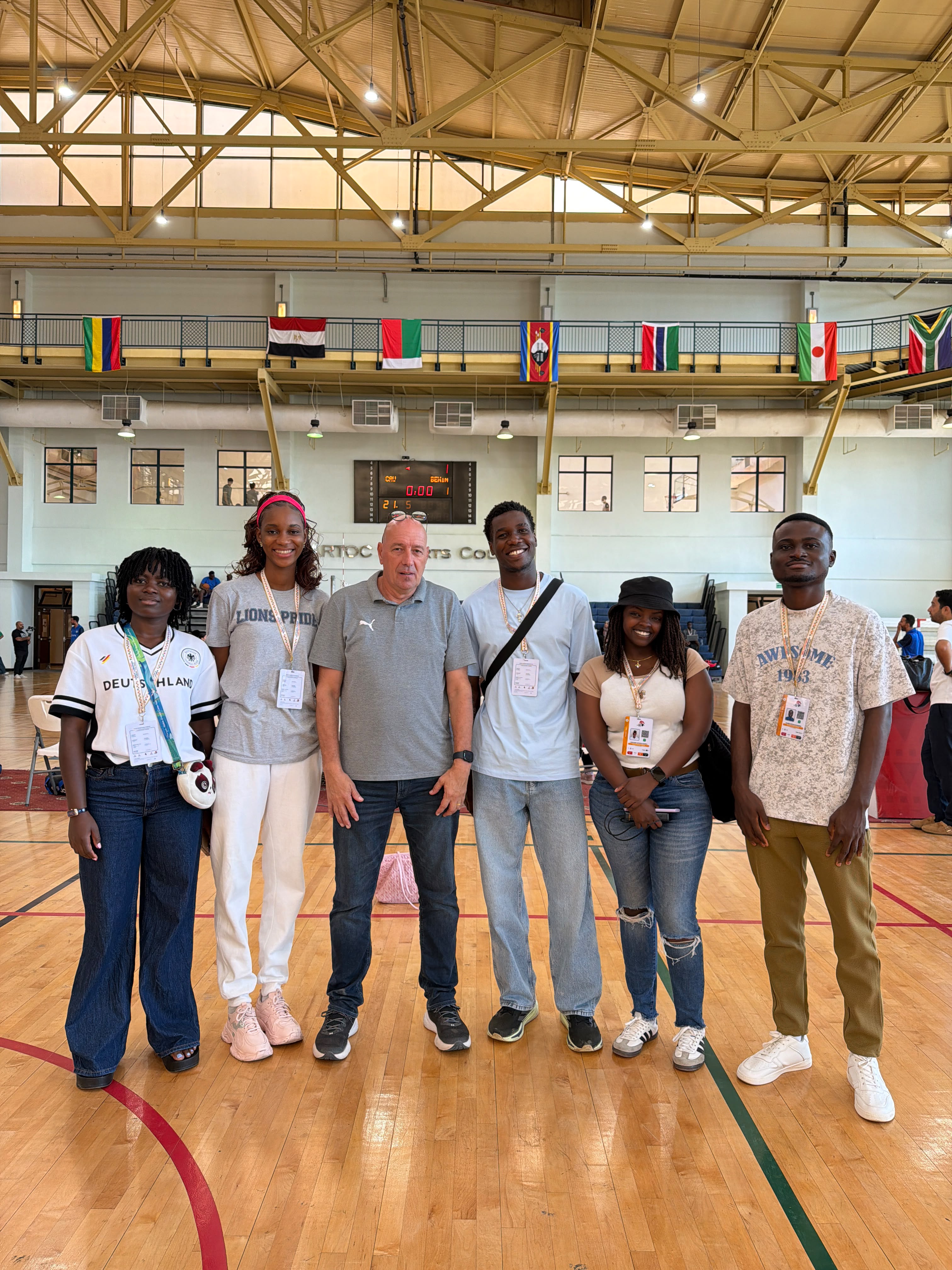
The cultural exchange, however, extended beyond the host country. The cohort itself became a meeting point for different African cultures.
Agbaje spoke about learning from the Kenyan and Ugandan participants and recognising what becomes possible when people from different backgrounds live and work together.
“There is unity in diversity,” she said.
That idea became one of the programme’s defining themes. The volunteers came from different countries, universities and professional backgrounds, and they were assigned different responsibilities during the Games. Their time in Cairo nevertheless brought them into shared spaces, conversations and experiences that helped build relationships across borders.
LEADERSHIP BEYOND THE TRAINING ROOM
The cultural day also supported the wider objectives of the International Volunteering, Youth Leadership Training and Mentorship Programme.
The initiative gives emerging leaders in African university sport opportunities to gain practical experience, develop leadership and professional skills, build international networks and contribute to the delivery of a major sporting event.
For the participants, those lessons were not confined to formal workshops or assigned responsibilities.
Gicheru said working alongside people from different countries exposed her to approaches to international sports events that she hoped to take home and apply within her own environment.
Amanya said the programme reinforced the importance of listening and remaining open to different ways of working. His conversations with people involved in university sport across the continent also introduced him to new ideas about organisational systems and event delivery.
Bringing the cohort together during the 12th All Africa University Games therefore offered more than an opportunity to observe how a continental competition operates. It allowed participants to encounter different perspectives, meet professionals and young leaders from across Africa, and build relationships capable of continuing long after the Games.
MEMORIES TO TAKE HOME
When asked what they would remember most about the cultural experience, the participants gave different answers.
Gicheru highlighted the pyramids and the museum. Amanya recalled the tours, his first horse ride, the food, the volunteers and, above all, the people with whom he shared the experience. Agbaje remembered the people, places, culture, history, food and even the weather.
Together, their memories represented something much larger than a day spent visiting two of Egypt’s most famous landmarks.
Members of the third cohort had come to Cairo to volunteer at the 12th All Africa University Games, develop their leadership abilities and contribute to an event bringing together university sports communities from across the continent.
Along the way, they also became students of their host country—and of one another.
The pyramids gave them a landmark before which to stand. The museum gave them centuries of history to absorb. The Games gave them a reason to come together. But it was the people, relationships and cultural exchanges that may ultimately give the experience its longest-lasting impact.
By Victor Oluwaseun Olabisi