
By Victor Oluwaseun Olabisi
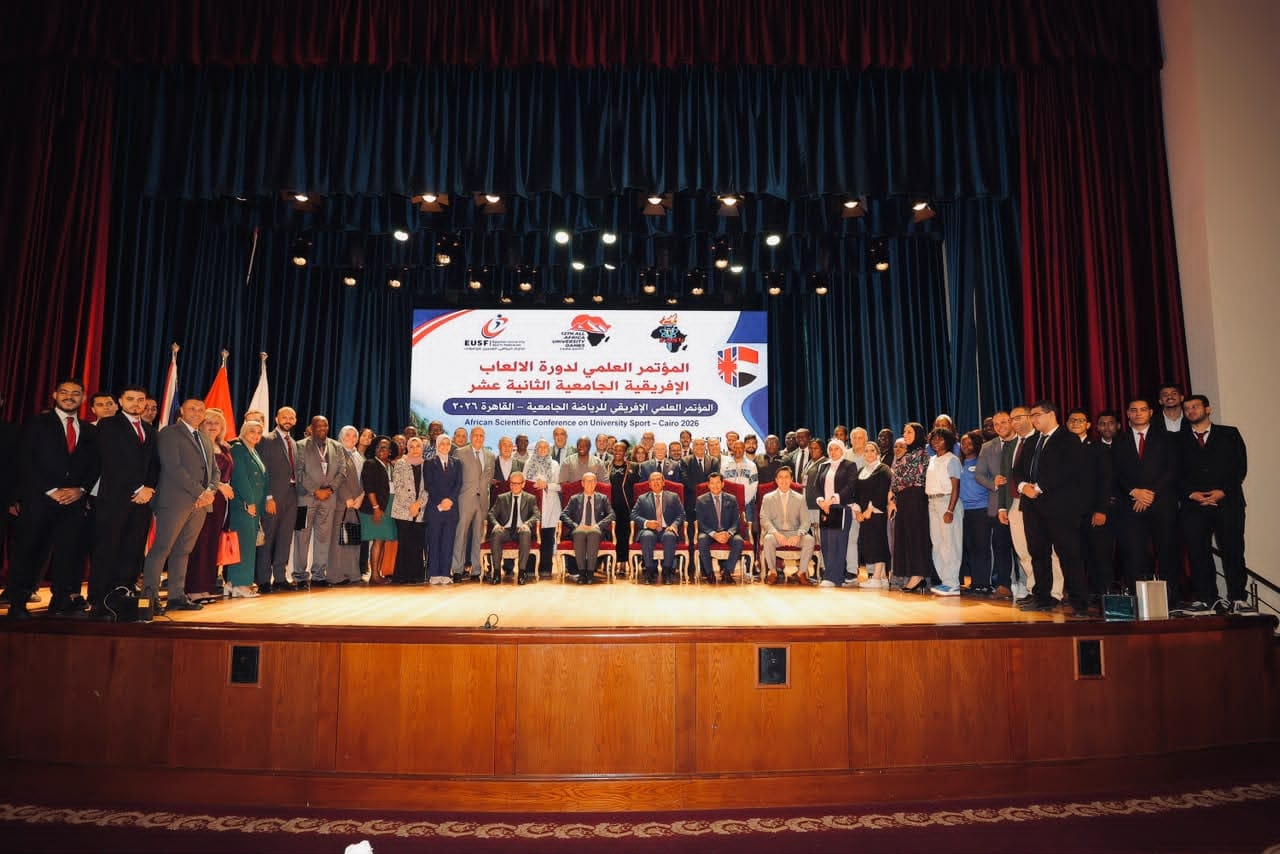
The conversation on the future of African university sport moved beyond the competition venues on 10 September, as university leaders and senior sports officials gathered at the British University in Egypt to examine how sport can contribute to institutional excellence and continental development.
Among the dignitaries present were Prof. Abdelaziz Konsowa, Egypt’s Minister of Higher Education and Scientific Research and Acting Minister of Culture, and Major General Ahmed Nasser, President of the Association of African Sports Confederations. They were joined by leaders and representatives from FASU, FISU and universities across Africa. Egypt’s Ministry of Higher Education, AASC
Held as part of the 12th All-Africa University Games, the Vice-Chancellors’ Forum was organised under the theme “University Sport as a Catalyst for Institutional Excellence and African Development.” Hosted by the British University in Egypt, it provided a platform for university leaders and sports stakeholders to discuss the role of sport in higher education and its potential contribution to Africa’s development.
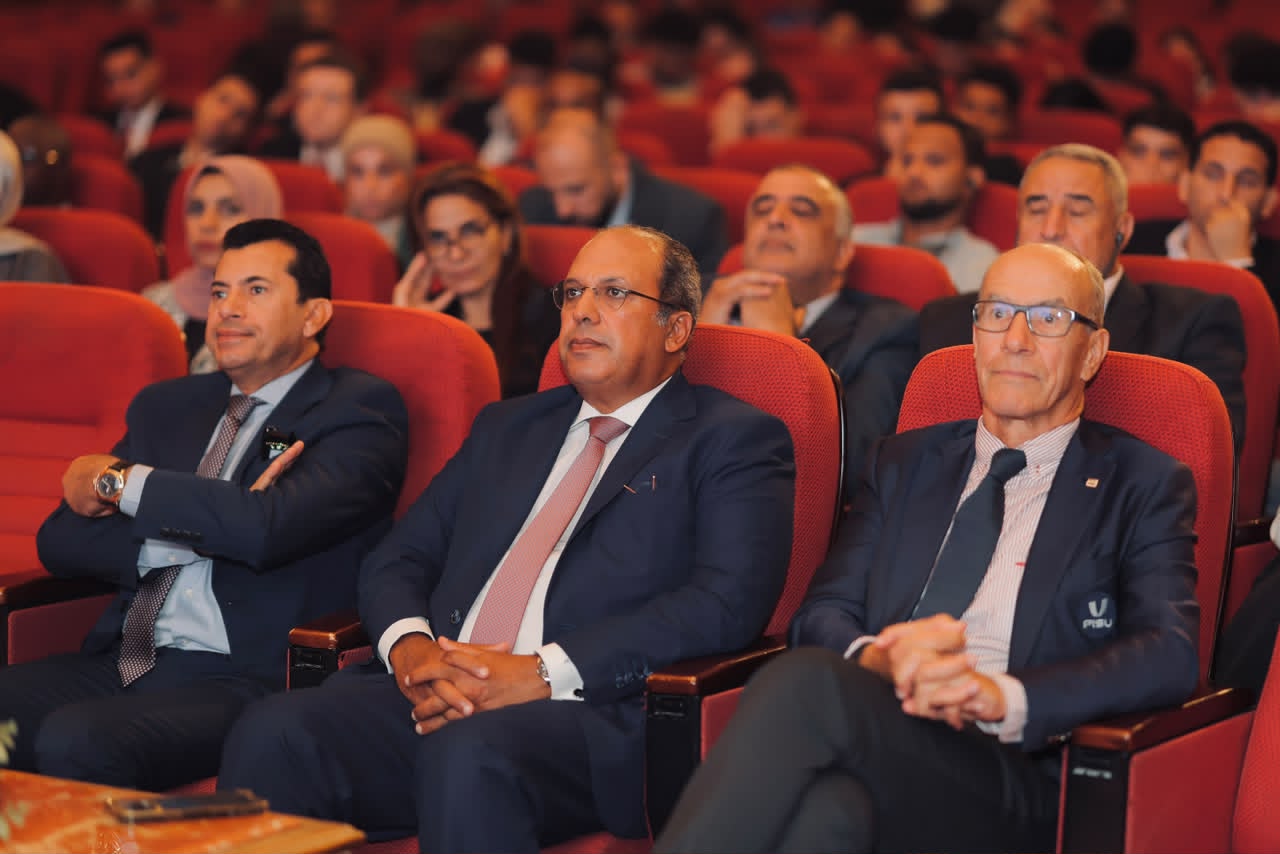
The programme began with welcome remarks, followed by addresses from FASU President Prof. Ashraf Sobhy and FISU President Leonz Eder. Their participation underscored the strategic importance of the forum and the shared commitment of FASU and FISU to strengthening collaboration, expanding opportunities for student-athletes and positioning university sport as a driver of institutional and continental development
FISU Secretary General and CEO Matthias Remund subsequently delivered the keynote address, titled “University Sport as a Strategic Asset: Why It Matters to the Modern University.”
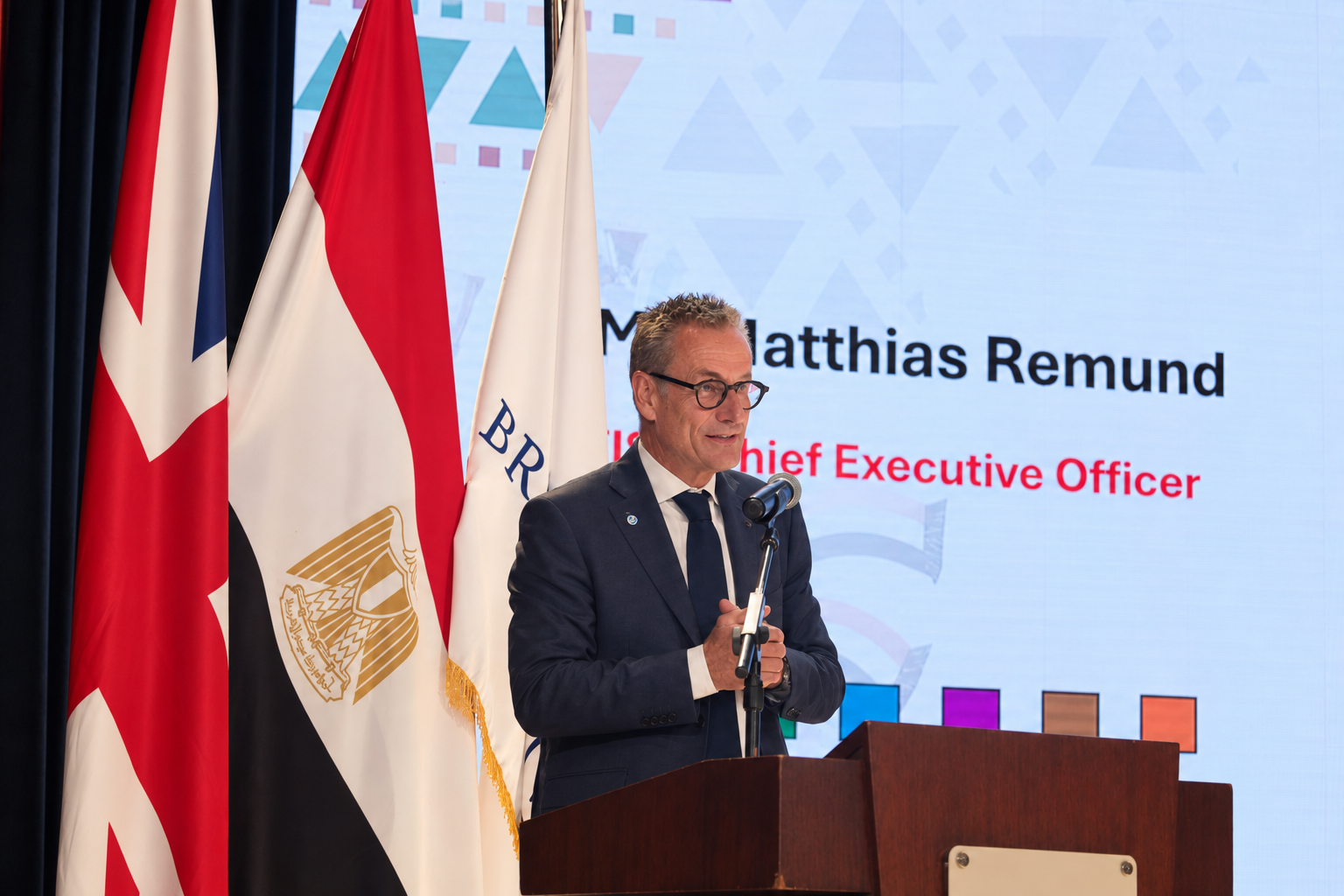
His presentation examined how sport can be positioned as a strategic institutional asset rather than viewed solely through the lens of competitions, teams and medals. A question-and-answer session allowed participants to engage further with the ideas presented.
The forum encouraged university leaders to broaden their understanding of university sport and consider its contribution to student wellbeing, academic success, leadership development, institutional visibility and community engagement.
The discussion moved beyond traditional questions about participation figures and medal counts to a more fundamental consideration: what can sport help universities achieve?
Building a stronger university sport ecosystem
The second session focused on “FASU and FISU: The University Sport Ecosystem.” It was led by FISU Director of World University Championships Andrea Uccello and FASU Secretary General Peninnah K. Aligawesa.
The speakers provided an overview of both organisations, their strategic priorities and the International Day of University Sport. They also highlighted the opportunities created through stronger cooperation among universities, national university sports federations, FASU and FISU.
For institutions seeking to strengthen their sports programmes, this interconnected structure offers opportunities for competition, collaboration, capacity building, knowledge exchange and international engagement.
From participation to institutional impact
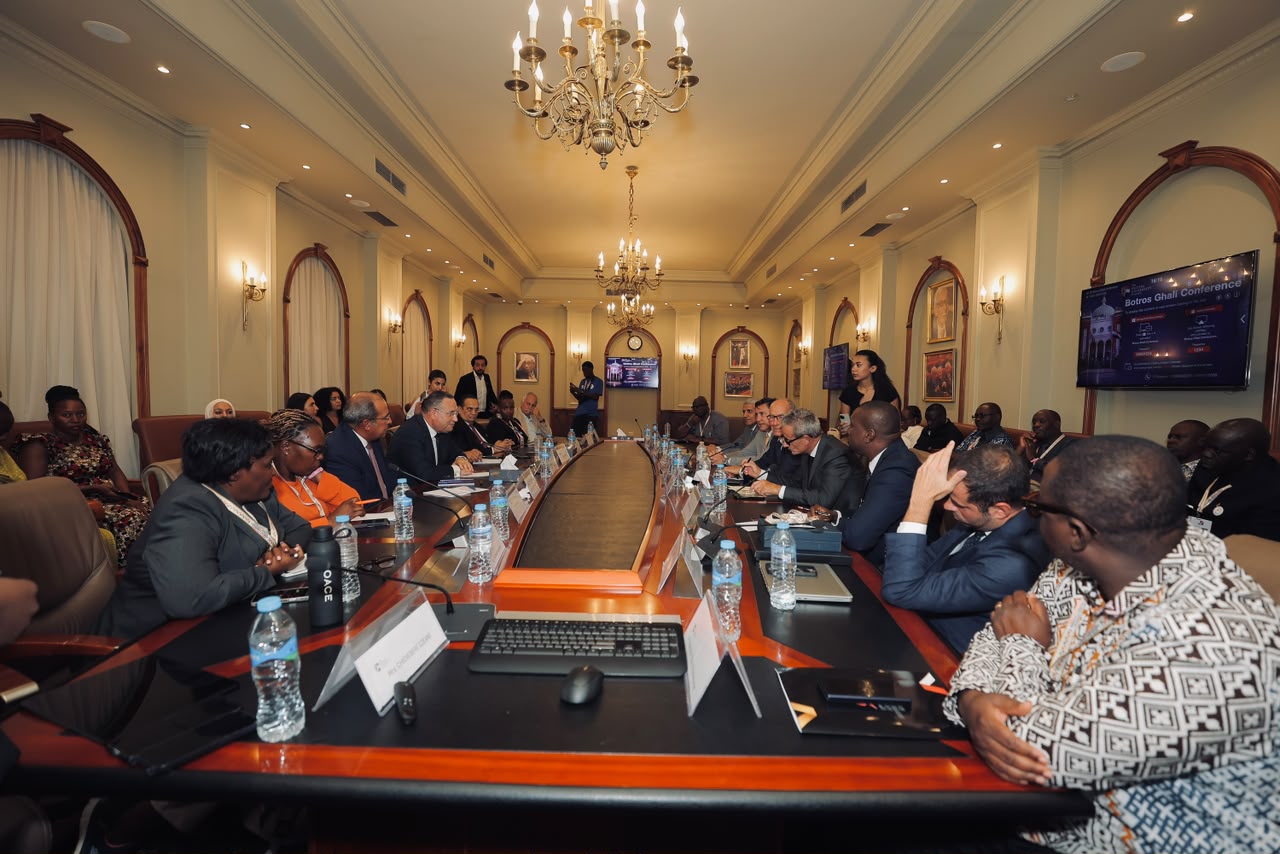
The central discussion took place during the Vice-Chancellors’ Roundtable, moderated by Dr Florence Nakamya Musoke.
Titled “From Participation to Institutional Impact,” the session brought together vice-chancellors from Ghana, Nigeria and Somalia to examine how universities can use sport to advance institutional priorities, including student success, wellbeing, partnerships and sustainable development.
The roundtable brought the forum’s central theme into sharper focus. Sport creates opportunities for students to compete and develop, but its institutional value extends far beyond the playing field. It can strengthen relationships, attract partnerships, enhance university visibility and provide institutions with a meaningful platform for engaging their communities.
These possibilities are particularly significant for African universities. The challenge is to translate the continent’s sporting potential into deliberate institutional strategies supported by effective policies, structures, investment and collaboration.
The forum concluded with lunch, networking and an exhibition presented by students of the British University in Egypt.
Although it was held alongside the 12th All-Africa University Games, the forum’s focus extended well beyond the competitions taking place across Cairo. The Games have brought together 82 universities from 18 African countries, creating an important platform for dialogue on research, governance, development and the future of university sport.
For the university leaders gathered in Cairo, the broader message was clear: the value of university sport should not be measured only by what happens when athletes enter the field of play, but also by what sport enables universities, students and communities to build for the future.