
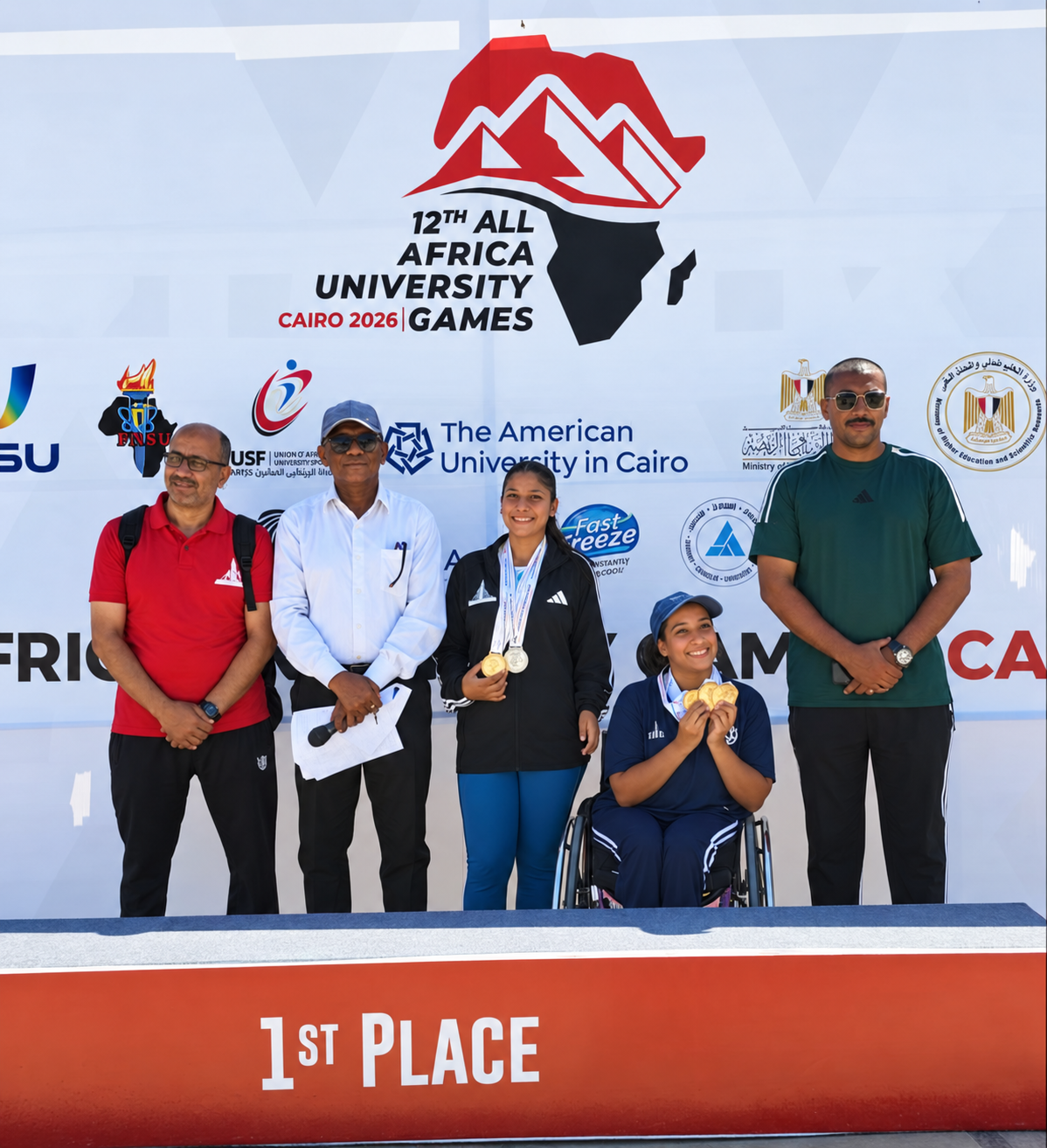
For the first time in its history, the All Africa University Games has shattered a long-standing barrier. Cairo 2026 has officially opened its lanes, tracks, and courts to Para athletes, introducing Para athletics, badminton, table tennis, and swimming to the continental stage. This is not a symbolic gesture; it is a long-overdue expansion of opportunity, proving that student-athletes with disabilities belong firmly in the heart of Africa’s premier university sporting gathering.
The inaugural results have instantly validated this historic shift. The pool became the proving ground for excellence, yielding six medals—four of them gold—in the opening Para swimming events. Mohamed El-Sayed seized gold in the men’s 50m backstroke, while Nour El-Din Mohamed Gaber powered his way to double bronze in the 50m freestyle and 50m breaststroke. But behind these podium finishes are stories of profound resilience that began far from the Cairo spotlight.
For Malak Abdel-Shafi, who claimed gold in the women’s 50m backstroke and silver in the 100m freestyle, the water was initially a place of healing. After an accident left her paralyzed at nine months old, swimming started as physiotherapy. That childhood rehabilitation forged an elite competitor who made history at Tokyo 2020 as the first Egyptian and Arab woman to reach a Paralympic swimming final. Today, while balancing demanding Mechanical Engineering studies at The American University in Cairo, she continues to rewrite the record books.
Similarly, Aya Ayman transformed early aquatic rehabilitation into a formidable international career. Already a veteran of the World Para Swimming Championships, Ayman surged to gold in the women’s 100m freestyle in Cairo, cementing her name as one of the very first Para swimming champions in FASU Games history.
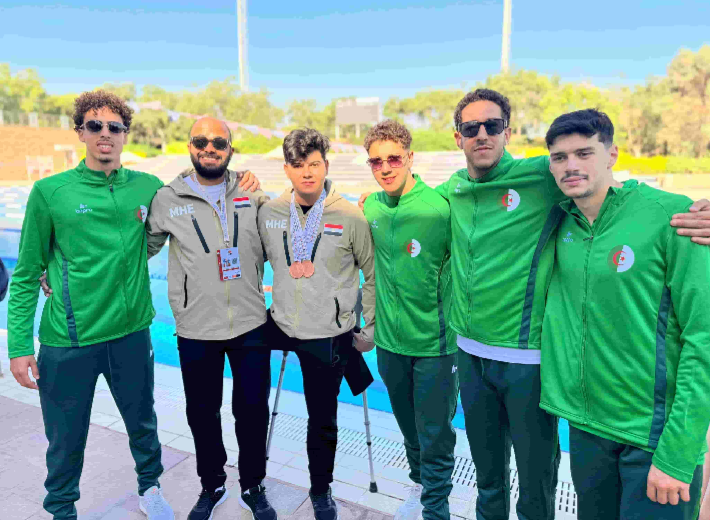
These victories extend far beyond a medal haul. Traditionally, university sports in Africa have served as a vital pipeline for developing young athletic talent. By integrating Para sports, universities now possess a tangible pathway to identify, fund, and elevate athletes with disabilities. Para athletes are no longer relegated to the margins; they are competing in the exact same arena, sharing the same conversations, and chasing the same elite glory as their peers in basketball, football, and track.
The champions of Cairo 2026 have laid a golden foundation. What began as a historic debut is destined to become the new standard—a fiercely competitive, entirely inclusive future for African university sport.
By Victor Oluwaseun Olabisi